Impacted Members/Scientists: Request a membership waiver, seek meeting support, and other resources. Learn more. For the latest public policy updates, please visit this page.




AAS Quasquicentennial: 1899 – 2024
In celebration of its 125th anniversary, the AAS has created a timeline highlighting the breathtaking and ever-expanding discoveries and creativity of our community as we continue to seek to enhance and share humanity’s scientific understanding of the universe as a diverse and inclusive astronomical community.
Explore our interactive timeline celebrating the history of the AAS and the remarkable astronomical discoveries over the last 125 years. You can view specific events by hovering over the year, the dot, or the text box. A PDF version can be downloaded here.
AAS key activities
Scientific events and discoveries
AAS Awards and Prizes
Scientists and Nobel Prize winners
1897
First conference of astronomers and astrophysicists at the dedication of the Yerkes Observatory, hosted by George Ellery Hale
First conference of astronomers and astrophysicists at the dedication of the Yerkes Observatory, hosted by George Ellery Hale
1899
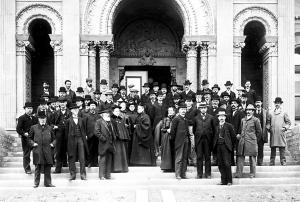
The Society, initially named the "Astronomical and Astrophysical Society of America," is created at the third conference of astronomers and astrophysicists held at Yerkes
The Society, initially named the "Astronomical and Astrophysical Society of America," is created at the third conference of astronomers and astrophysicists held at Yerkes
1910
Williamina Fleming publishes her discovery of white dwarf stars
Williamina Fleming publishes her discovery of white dwarf stars
1912
Victor Hess and others detect cosmic rays
Victor Hess and others detect cosmic rays
Henrietta Swan Leavitt discovers the period–luminosity relation for Cepheid variables, enabling the measurement of large distances in the universe
Henrietta Swan Leavitt discovers the period–luminosity relation for Cepheid variables, enabling the measurement of large distances in the universe
1914
The Society is renamed the "American Astronomical Society"
The Society is renamed the "American Astronomical Society"
1915
Albert Einstein publishes his general theory of relativity
Albert Einstein publishes his general theory of relativity
First meeting on the Pacific Coast is held in the San Francisco Bay Area
First meeting on the Pacific Coast is held in the San Francisco Bay Area
1916
Karl Schwarzschild shows mathematically that black holes may exist
Karl Schwarzschild shows mathematically that black holes may exist
1919
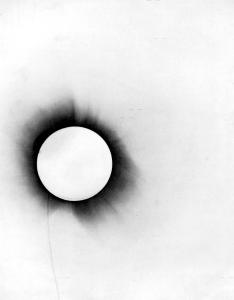
Astronomers use a total solar eclipse to demonstrate predictions from Einstein's general theory of relativity
Astronomers use a total solar eclipse to demonstrate predictions from Einstein's general theory of relativity
The International Astronomical Union (IAU) is formed in Belgium
The International Astronomical Union (IAU) is formed in Belgium
1923
Edwin Hubble discovers a Cepheid variable star in the "Andromeda Nebula" and proves the existence of galaxies beyond our own
Edwin Hubble discovers a Cepheid variable star in the "Andromeda Nebula" and proves the existence of galaxies beyond our own
1927
Georges Lemaitre suggests that the cosmos is expanding
Georges Lemaitre suggests that the cosmos is expanding
1929
Edwin Hubble finds the cosmos is expanding
Edwin Hubble finds the cosmos is expanding
1930
Clyde Tombaugh discovers the dwarf planet Pluto
Clyde Tombaugh discovers the dwarf planet Pluto
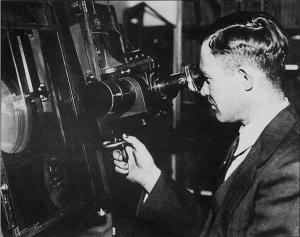
The Society begins to sponsor topical sessions
The Society begins to sponsor topical sessions
1932
Karl Jansky detects the first radio waves coming from space
Karl Jansky detects the first radio waves coming from space
1933
Fritz Zwicky suggests dark matter may exist
Fritz Zwicky suggests dark matter may exist
1934
The first AAS prize to be endowed, the Annie Jump Cannon Award, is presented to Cecilia Payne-Gaposchkin
The first AAS prize to be endowed, the Annie Jump Cannon Award, is presented to Cecilia Payne-Gaposchkin
1940
The Society holds its most popular prewar meeting — 147 people attend and 56 papers are presented
The Society holds its most popular prewar meeting — 147 people attend and 56 papers are presented
1941
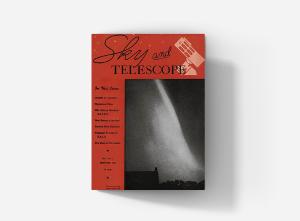
The Sky and The Telescope merge to become Sky & Telescope magazine
The Sky and The Telescope merge to become Sky & Telescope magazine
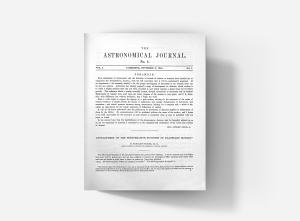
The Astronomical Journal becomes a publication of the AAS
The Astronomical Journal becomes a publication of the AAS
1946
First Henry Norris Russell Lectureship is awarded to Henry Norris Russell
First Henry Norris Russell Lectureship is awarded to Henry Norris Russell
1954
First award of the Helen B. Warner Prize is given to Aden B. Meinel
First award of the Helen B. Warner Prize is given to Aden B. Meinel
1956
First parallel sessions are held in Berkeley, California, at AAS 95
First parallel sessions are held in Berkeley, California, at AAS 95
1958
NASA is established via the National Aeronautics and Space Act
NASA is established via the National Aeronautics and Space Act
1960
Junior and Associate membership categories are established
Junior and Associate membership categories are established
First AAS meeting in Mexico
First AAS meeting in Mexico
Growth rate of the Society increases from 4% to 20% per year. Membership passes the 1,000 mark and reaches 2,000 in 1968
Growth rate of the Society increases from 4% to 20% per year. Membership passes the 1,000 mark and reaches 2,000 in 1968
1963
Maarten Schmidt measures the spectra of quasars, establishing that quasars are active galaxies and are among the most distant objects in the universe
Maarten Schmidt measures the spectra of quasars, establishing that quasars are active galaxies and are among the most distant objects in the universe
1965
Arno Penzias and Robert Wilson discover the cosmic microwave background, the remnant of the very hot radiation from the Big Bang that created the universe more than 13 billion years ago
Arno Penzias and Robert Wilson discover the cosmic microwave background, the remnant of the very hot radiation from the Big Bang that created the universe more than 13 billion years ago
1967
The Society hosts its first meeting that features three simultaneous sessions
The Society hosts its first meeting that features three simultaneous sessions
1968
The Division for Planetary Sciences (DPS) is formed
The Division for Planetary Sciences (DPS) is formed
The Society receives three petitions to organize into divisions — high-energy astrophysics, solar physics, and planetary science
The Society receives three petitions to organize into divisions — high-energy astrophysics, solar physics, and planetary science
1969
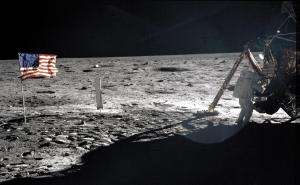
Apollo 11 lands on the Moon
Apollo 11 lands on the Moon
The High Energy Astrophysics Division (HEAD) is founded
The High Energy Astrophysics Division (HEAD) is founded
1970
Vera Rubin and Kent Ford publish the rotation curve of Messier 31, which indicates the presence of dark matter
Vera Rubin and Kent Ford publish the rotation curve of Messier 31, which indicates the presence of dark matter
First meeting of the Division on Dynamical Astronomy (DDA) with the AAS
First meeting of the Division on Dynamical Astronomy (DDA) with the AAS
First meeting of the Solar Physics Division (SPD)
First meeting of the Solar Physics Division (SPD)
First HEAD meeting is held jointly with the Division of Cosmic Physics of the American Physical Society
First HEAD meeting is held jointly with the Division of Cosmic Physics of the American Physical Society
Uhuru, the first satellite dedicated to X-ray astronomy, is launched from Kenya
Uhuru, the first satellite dedicated to X-ray astronomy, is launched from Kenya
Society meetings begin to include poster sessions
Society meetings begin to include poster sessions
1972
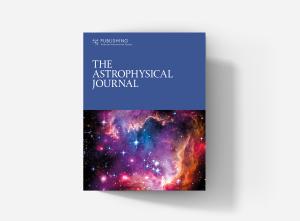
The AAS assumes ownership of The Astrophysical Journal
The AAS assumes ownership of The Astrophysical Journal
1973
Working Group on the Status of Women in Astronomy reports that the fraction of women members is the lowest (8%) in the history of the Society
Working Group on the Status of Women in Astronomy reports that the fraction of women members is the lowest (8%) in the history of the Society
1974
First Newton Lacy Pierce Prize is awarded to Edwin J. Kellogg
First Newton Lacy Pierce Prize is awarded to Edwin J. Kellogg
1976
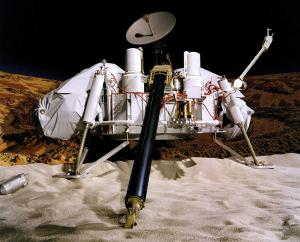
The Viking program lands the first two spacecraft on Mars
The Viking program lands the first two spacecraft on Mars
1977
Voyager 1 and 2 space probes are launched to study our outer solar system and beyond
Voyager 1 and 2 space probes are launched to study our outer solar system and beyond
1978
The first George Ellery Hale Prize is given to Eugene Parker
The first George Ellery Hale Prize is given to Eugene Parker
The first Dirk Brouwer Award is given to Victor Szebehely
The first Dirk Brouwer Award is given to Victor Szebehely
1979
AAS Executive Office moves to Washington, DC;
Peter Boyce becomes the Executive Officer;
Membership reaches 3,500;
The Society's annual budget approaches $2 million;
Standing Committee on the Status of Women in Astronomy is established (the present CSWA)
AAS Executive Office moves to Washington, DC;
Peter Boyce becomes the Executive Officer;
Membership reaches 3,500;
The Society's annual budget approaches $2 million;
Standing Committee on the Status of Women in Astronomy is established (the present CSWA)
1980
First Dannie Heineman Prize is awarded to Joseph H. Taylor, Jr.
First Dannie Heineman Prize is awarded to Joseph H. Taylor, Jr.
650 people attend the annual meeting in San Francisco;
The creation of the Historical Astronomy Division (HAD) is approved
650 people attend the annual meeting in San Francisco;
The creation of the Historical Astronomy Division (HAD) is approved
1981
First HAD meeting is held in Albuquerque
First HAD meeting is held in Albuquerque
1983
The first infrared astronomy satellite, IRAS, is launched
The first infrared astronomy satellite, IRAS, is launched
1984
First Gerard Kuiper Prize is awarded to Eugene M. Shoemaker
First Gerard Kuiper Prize is awarded to Eugene M. Shoemaker
First Harold C. Urey Prize is given to David J. Stevenson
First Harold C. Urey Prize is given to David J. Stevenson
1985
First HEAD Rossi Prize is awarded to William R. Forman and Christine Jones for their pioneering work on X-ray emission from early-type galaxies
First HEAD Rossi Prize is awarded to William R. Forman and Christine Jones for their pioneering work on X-ray emission from early-type galaxies
1986
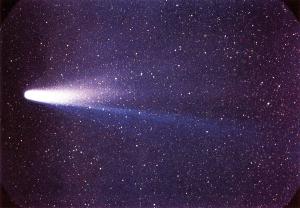
Comet Halley passes through perihelion
Comet Halley passes through perihelion
First Beatrice Tinsley Prize is given to S. Jocelyn Bell Burnell
First Beatrice Tinsley Prize is given to S. Jocelyn Bell Burnell
1989
The Galileo mission to Jupiter launches. It reaches Jupiter in 1995
The Galileo mission to Jupiter launches. It reaches Jupiter in 1995
1990
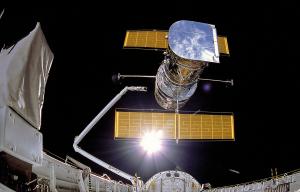
The Hubble Space Telescope, the first large space-based optical telescope and the first of the "Great Observatories," is launched
The Hubble Space Telescope, the first large space-based optical telescope and the first of the "Great Observatories," is launched
1991
HAD assumes responsibility for publishing obituaries of AAS members in the Bulletin of the American Astronomical Society (BAAS)
HAD assumes responsibility for publishing obituaries of AAS members in the Bulletin of the American Astronomical Society (BAAS)
The Compton Gamma Ray Observatory, the second "Great Observatory," is launched
The Compton Gamma Ray Observatory, the second "Great Observatory," is launched
1992
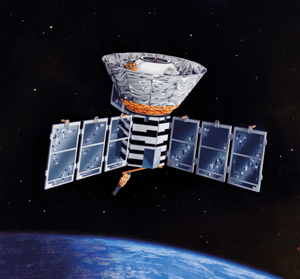
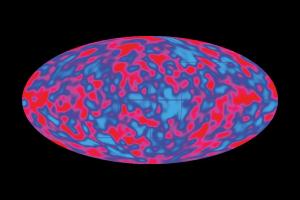
The Cosmic Background Explorer satellite produces a detailed map of the background radiation remaining from the Big Bang
The Cosmic Background Explorer satellite produces a detailed map of the background radiation remaining from the Big Bang
1993
The Keck I Telescope begins science operations
The Keck I Telescope begins science operations
1994
First HEAD Divisional Meeting is held in November in Napa, California
First HEAD Divisional Meeting is held in November in Napa, California
1995
The AAS launches the electronic Astrophysical Journal Letters, one of the first journals to offer an electronic edition. All other AAS journals appear online by 1998
The AAS launches the electronic Astrophysical Journal Letters, one of the first journals to offer an electronic edition. All other AAS journals appear online by 1998

The first exoplanet around a Sun-like star, 51 Pegasi b, is discovered by Michel Mayor and Didier Queloz
The first exoplanet around a Sun-like star, 51 Pegasi b, is discovered by Michel Mayor and Didier Queloz
1997
The Cassini-Huygens mission to Saturn launches and reaches Saturn in 2004
The Cassini-Huygens mission to Saturn launches and reaches Saturn in 2004
1998
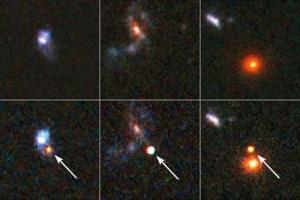
Astronomers discover dark energy
Astronomers discover dark energy
2,200 people attend the annual meeting in Washington, DC, including 200 members of the media. AAS membership totals 6,500, including 1,386 women (21%)
2,200 people attend the annual meeting in Washington, DC, including 200 members of the media. AAS membership totals 6,500, including 1,386 women (21%)
First LeRoy E. Doggett Prize is awarded to Curtis A. Wilson
First LeRoy E. Doggett Prize is awarded to Curtis A. Wilson
1999
The Chandra X-ray Observatory, the third "Great Observatory," is launched
The Chandra X-ray Observatory, the third "Great Observatory," is launched
The Society celebrates its 100th anniversary with the AAS Centennial Meeting in Chicago
The Society celebrates its 100th anniversary with the AAS Centennial Meeting in Chicago
2002
Riccardo Giacconi is awarded the Nobel Prize in Physics for his work on X-ray astronomy
Riccardo Giacconi is awarded the Nobel Prize in Physics for his work on X-ray astronomy

2003
The Spitzer Space Telescope, the fourth and final of the original "Great Observatories," is launched
The Spitzer Space Telescope, the fourth and final of the original "Great Observatories," is launched
2006
The 2006 Nobel Prize in Physics goes to George Smoot and John Mather for leading the COBE satellite (when initial results from the spacecraft were presented at the AAS meeting on 13 January 1990, the attendees gave a standing ovation)
The 2006 Nobel Prize in Physics goes to George Smoot and John Mather for leading the COBE satellite (when initial results from the spacecraft were presented at the AAS meeting on 13 January 1990, the attendees gave a standing ovation)
IAU adopts a new definition of planet, resulting in the redefinition of Pluto as a dwarf planet
IAU adopts a new definition of planet, resulting in the redefinition of Pluto as a dwarf planet
2007
AAS journals move to IOP Publishing and the resulting ~$2M/year savings are used to reduce subscription rates and author charges
AAS journals move to IOP Publishing and the resulting ~$2M/year savings are used to reduce subscription rates and author charges
John Bahcall Public Policy Fellowship is established, with 10 fellows serving since 2007
John Bahcall Public Policy Fellowship is established, with 10 fellows serving since 2007
2009
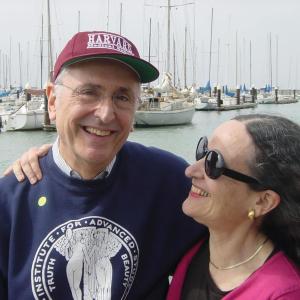
The AAS celebrates the International Year of Astronomy in the US through a large grant ($1M) from the NSF
The AAS celebrates the International Year of Astronomy in the US through a large grant ($1M) from the NSF
2010
In collaboration with ADS and other publishers in the field of astronomy, the AAS creates and takes over stewardship of the Unified Astronomy Thesaurus
In collaboration with ADS and other publishers in the field of astronomy, the AAS creates and takes over stewardship of the Unified Astronomy Thesaurus
2011
Space Shuttle program ends
Space Shuttle program ends

Saul Perlmutter, Brian Schmidt, and Adam Reiss are awarded the Nobel Prize in Physics for the discovery of the accelerating expansion of the universe (papers from the two teams appeared in AAS journals)
Saul Perlmutter, Brian Schmidt, and Adam Reiss are awarded the Nobel Prize in Physics for the discovery of the accelerating expansion of the universe (papers from the two teams appeared in AAS journals)
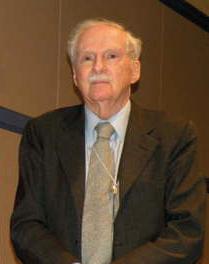
First Donald E. Osterbrock Book Prize for Historical Astronomy is awarded to Nathan Sivin
First Donald E. Osterbrock Book Prize for Historical Astronomy is awarded to Nathan Sivin
2012
The Laboratory Astrophysics Division (LAD) is created at AAS 220
The Laboratory Astrophysics Division (LAD) is created at AAS 220
2013
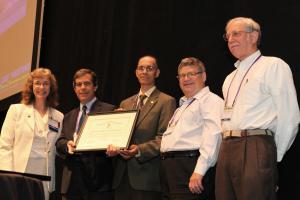
AAS creates the Astronomy Image Explorer
AAS creates the Astronomy Image Explorer
The DDA holds its annual meeting in Paraty, Brazil, and becomes the first AAS Division to hold a meeting in South America
The DDA holds its annual meeting in Paraty, Brazil, and becomes the first AAS Division to hold a meeting in South America
2015
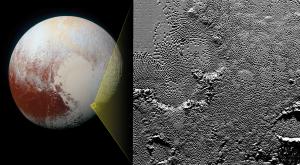
New Horizons spacecraft flies past Pluto
New Horizons spacecraft flies past Pluto
AAS becomes the initial steward of Microsoft's WorldWide Telescope
AAS becomes the initial steward of Microsoft's WorldWide Telescope
AAS establishes an eBooks program with IOP Publishing (first titles published in 2017)
AAS establishes an eBooks program with IOP Publishing (first titles published in 2017)
AAS launches AAS Nova
AAS launches AAS Nova
AAS hosts the IAU General Assembly in Honolulu, Hawai'i (last held in the US in 1985)
AAS hosts the IAU General Assembly in Honolulu, Hawai'i (last held in the US in 1985)
AAS journals go fully digital, phasing out all printed editions
AAS journals go fully digital, phasing out all printed editions
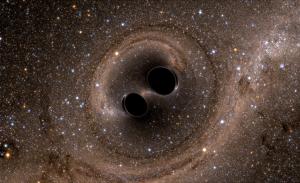
First detection of gravitational waves by LIGO
First detection of gravitational waves by LIGO
The first Triennial Earth-Sun Summit (TESS) meeting, a joint meeting of the AAS/SPD and AGU/SPA, is held in Indianapolis
The first Triennial Earth-Sun Summit (TESS) meeting, a joint meeting of the AAS/SPD and AGU/SPA, is held in Indianapolis
2017
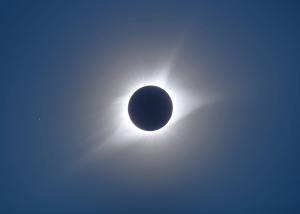
The Great American Solar Eclipse occurs
The Great American Solar Eclipse occurs
AAS launches Research Notes of the AAS
AAS launches Research Notes of the AAS
First detection of a gravitational wave event (GW170817) that was observed to have a simultaneous electromagnetic signal
First detection of a gravitational wave event (GW170817) that was observed to have a simultaneous electromagnetic signal
2019
AAS reestablishes BAAS as an electronic journal as a service to the community
AAS reestablishes BAAS as an electronic journal as a service to the community
AAS establishes The Planetary Science Journal in partnership with DPS
AAS establishes The Planetary Science Journal in partnership with DPS
AAS finishes a brand redefinition and soft launches at the January meeting in Seattle
AAS finishes a brand redefinition and soft launches at the January meeting in Seattle
AAS acquires Sky & Telescope
AAS acquires Sky & Telescope
The Nobel Prize in Physics goes to James Peebles for theoretical cosmology work, and to Michael Mayor and Didier Queloz for the first discovery of an exoplanet orbiting a solar-type star
The Nobel Prize in Physics goes to James Peebles for theoretical cosmology work, and to Michael Mayor and Didier Queloz for the first discovery of an exoplanet orbiting a solar-type star
HEAD celebrates its 50th anniversary
HEAD celebrates its 50th anniversary
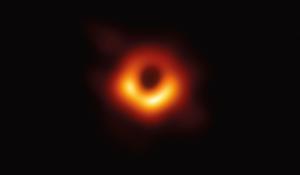
Event Horizon Telescope Collaboration releases the first resolved image of a black hole
Event Horizon Telescope Collaboration releases the first resolved image of a black hole
2020
The 50th anniversary of SPD
The 50th anniversary of SPD
Andrea Ghez, Reinhard Genzel, and Roger Penrose share the Nobel Prize in Physics for their study of black holes
Andrea Ghez, Reinhard Genzel, and Roger Penrose share the Nobel Prize in Physics for their study of black holes
2021
JWST launches
JWST launches
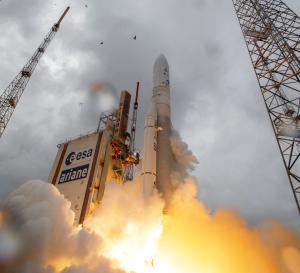
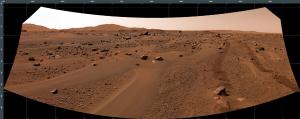
The Perseverance rover and Ingenuity helicopter arrive at Mars and begin sending back data
The Perseverance rover and Ingenuity helicopter arrive at Mars and begin sending back data
Sky & Telescope celebrates its 80th anniversary
Sky & Telescope celebrates its 80th anniversary

AAS acquires Willmann-Bell books
AAS acquires Willmann-Bell books
2022
AAS journals become fully open access
AAS journals become fully open access

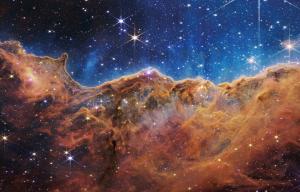
First JWST images released to the public
First JWST images released to the public
2023
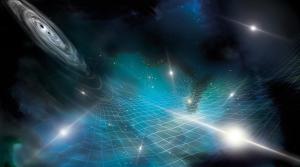
Evidence is found for the long-predicted nanohertz gravitational-wave background
Evidence is found for the long-predicted nanohertz gravitational-wave background
2024
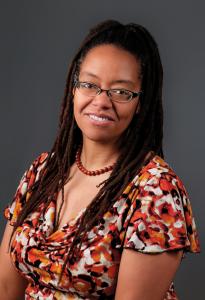
Dara Norman is elected as 50th AAS president and becomes the first African-American president in the Society's history
Dara Norman is elected as 50th AAS president and becomes the first African-American president in the Society's history
The Astronomical Journal celebrates its 175th anniversary
The Astronomical Journal celebrates its 175th anniversary