Impacted Members/Scientists: Request a membership waiver, seek meeting support, and other resources. Learn more. For the latest public policy updates, please visit this page.




16 April 2025
Empowered by Advocacy: My Experience at the 2025 AAAS CASE Workshop
Faith Simmons East Tennessee St Univ
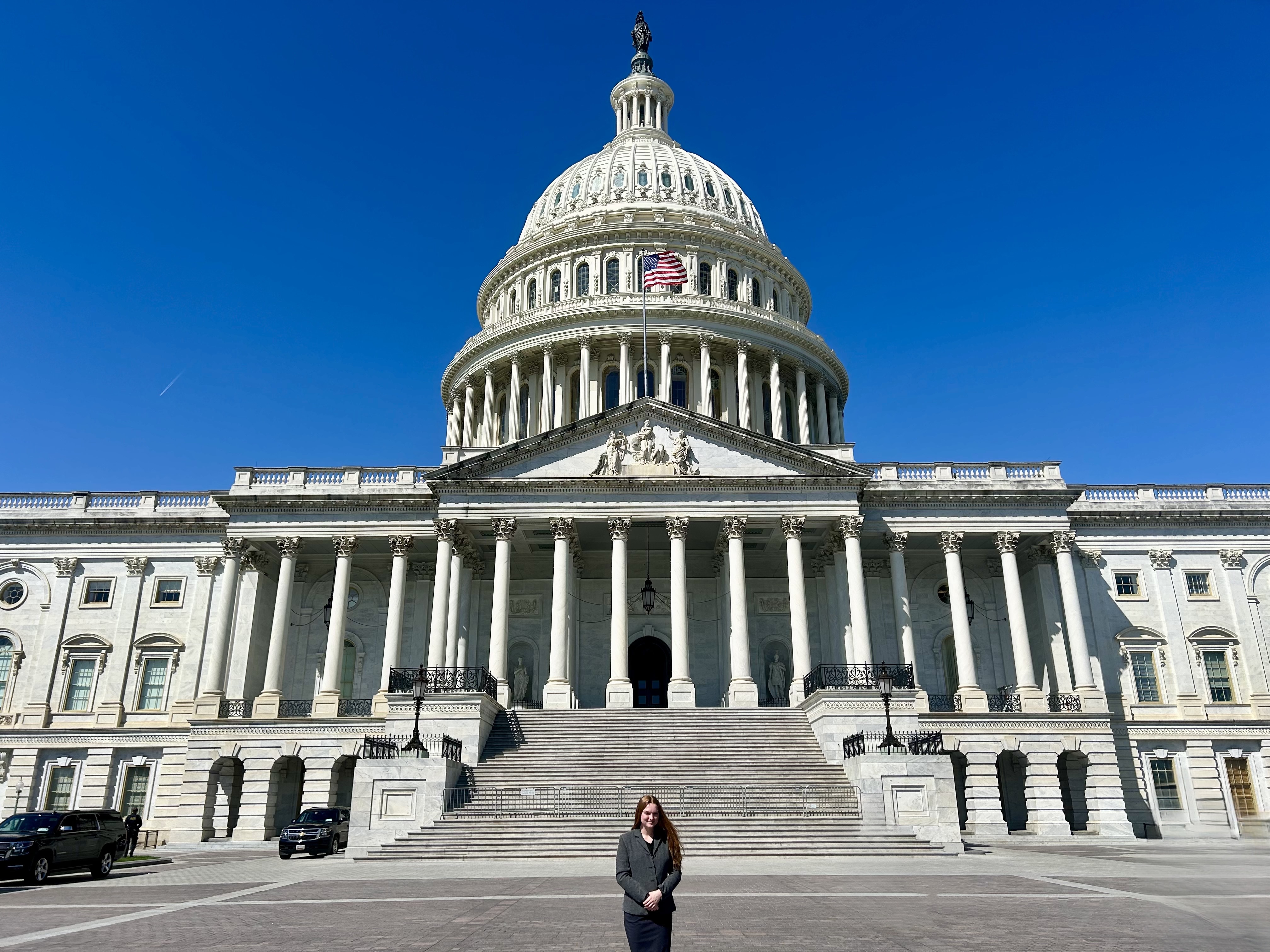
Until recently, the last time I thought seriously about how our government works was in a high school history class taught by our football coach. I had no idea how research funding really moved through Congress or how scientists like me could play a role in shaping those decisions. That changed dramatically after attending the 2025 AAAS Catalyzing Advocacy in Science and Engineering (CASE) workshop, thanks to the generous sponsorship from the American Astronomical Society (AAS).
My name is Faith Simmons, and I am a senior undergraduate student at East Tennessee State University (ETSU) studying physics with a focus on astronomy. ETSU is a smaller institution with a modest yet deeply committed Physics & Astronomy Department. While our department doesn’t have the resources to fund student attendance at the CASE workshop, my advisor encouraged me to apply for sponsorship through the AAS due to my growing interest in science communication. I plan to pursue a PhD in astronomy, but I’m equally passionate about public outreach and science communication. Until recently, though, I wasn’t sure how to begin exploring a career path that blends these interests.
Once I arrived in Washington, DC, for the CASE workshop, I realized that many other students from across the country share these passions. I met students from different universities and different branches of science, from psychology to oceanography. Yet, there was a common theme across every conversation I had. We all wanted to bring about change. We all cared deeply about our research but also about our fellow researchers facing uncertainty or communities affected by recent political instability. I am truly in awe at the community of researchers who came together to uplift one another and learn about how to effectively advocate for science.
The CASE workshop started off by giving us a general overview of how our government operates, going into detail on where power lies within Congress and each of the executive branches. These discussions opened my eyes to the difference in the way of thinking between scientists like myself and politicians. Things that are life-changing for me are only a fraction of the considerations they have to take into account when making decisions. We were given an exercise where we took on the role of appropriators and attempted to create a federal budget, demonstrating the difficulty of distributing limited funds. At the same time, people’s livelihoods depend on you. I walked away from the workshop with a much less cynical view of our government and an incredibly more informed perspective on how my research is funded.
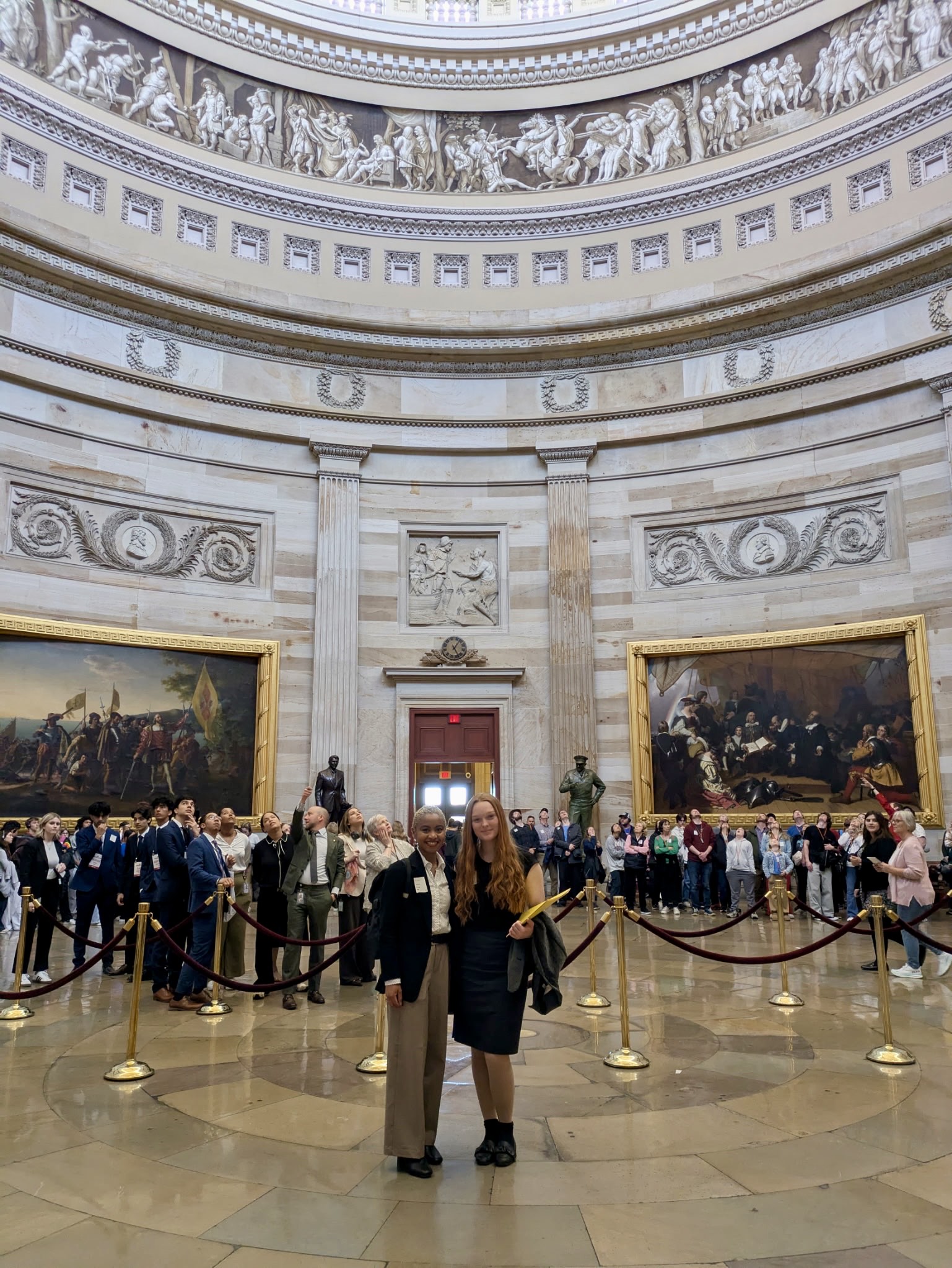
Over the next few days, we attended seminars on science communication and effective advocacy, learning how to present our work to non-scientific audiences and frame research regarding economic impact, national defense, and relevance to local districts. On the last day, another AAS member and myself arranged a visit to Capitol Hill to meet with our representatives. We were escorted by Roohi Dalal, Deputy Director of Public Policy at AAS, who acted as our guide and shared advice for communicating with Congress. Being on the Hill and seeing firsthand how busy every office is, and how dedicated the staff are to meeting constituent needs, reassured me that they genuinely care. Because of how busy everyone was, though, we could not schedule meetings with most of our Senators and Representatives. I did obtain a meeting with Congresswoman Diana Harshbarger’s office, an East Tennessee Representative for both my hometown and ETSU. I met with her Legislative Assistant, Julia Block, and shared my story and concerns regarding NSF funding. I also had the opportunity to advocate for continued support of TRIO programs like the Ronald McNair Post-baccalaureate Achievement Program, which helped shape me into the researcher I am today. I left the meeting feeling confident in my ability to communicate my work and its importance and inspired to be more actively involved with science policy.
If I had to choose just one word to describe my experience with the CASE workshop, it would be “empowered.” I walked away from CASE with a greater sense of responsibility as a scientist. The CASE workshop didn’t just teach me how research is funded — it reminded me that scientists belong in conversations that shape society. As I prepare for graduate school and a career in astronomy, I know that science communication and policy will be essential parts of my journey.
Related Post
Science Takes a Village
8 May 2024
Each year, the AAS brings volunteers to Washington, DC, to learn how to advocate for science as part of our Congressional Visits Day (CVD). In this guest post, Lindsey Wiser describes her experience at this year's CVD.