Impacted Members/Scientists: Request a membership waiver, seek meeting support, and other resources. Learn more. For the latest public policy updates, please visit this page.




John Bahcall Public Policy Fellowship
The John N. Bahcall Public Policy Fellowship was created in 2006, in collaboration with Neta Bahcall, to provide an opportunity for early-career astronomers to gain experience in the world of science policy and to augment the advocacy programs of the society. The Bahcall Fellowship is currently a one-year postdoctoral level appointment, renewable for a second year.
The Fellow works in partnership with the Director of Public Policy to coordinate the public policy activities of the AAS. Responsibilities include:
- Direct advocacy for issues in the astronomical sciences with Congress, the Administration, and others
- Building and maintaining relationships with key policy people related to the astronomical sciences (Congressional staff, White House staff, federal agency staff, National Academies, etc.)
- Supporting the work of the Committee on Astronomy and Public Policy (CAPP), Division policy committees, and Society and Division leadership
- Coordination of multiple Congressional visits days for groups of AAS members
- Coordination of educational briefings and exhibitions on Capitol Hill
- Drafting of congressional testimony, letters to policymakers, AAS Board resolutions, and advocacy materials
- Developing and implementing policy sessions for AAS annual meetings
- Authorship of the AAS Policy Blog, policy-related AAS social media, and AAS Action Alerts and Informational Emails
- Delivering invited colloquium talks at college/university departments and other institutions around the country
- Representing the AAS in a number of science and technology coalitions, including taking on occasional leadership roles for special events or initiatives
- Attendance at policy-related events: receptions, Congressional hearings, coalition meetings, conferences, briefings, advisory committee meetings, colloquia, etc.
- Monitoring developments across the astronomical science community in major scientific results, priorities, challenges, and concerns that relate to federal policies and funding
Applications for the Bahcall fellowship are now open. Apply here.
Additional Science policy fellowships are listed here.
Bahcall Fellows
 |
Colin Hamill |
 |
Yaswant Devarakonda |
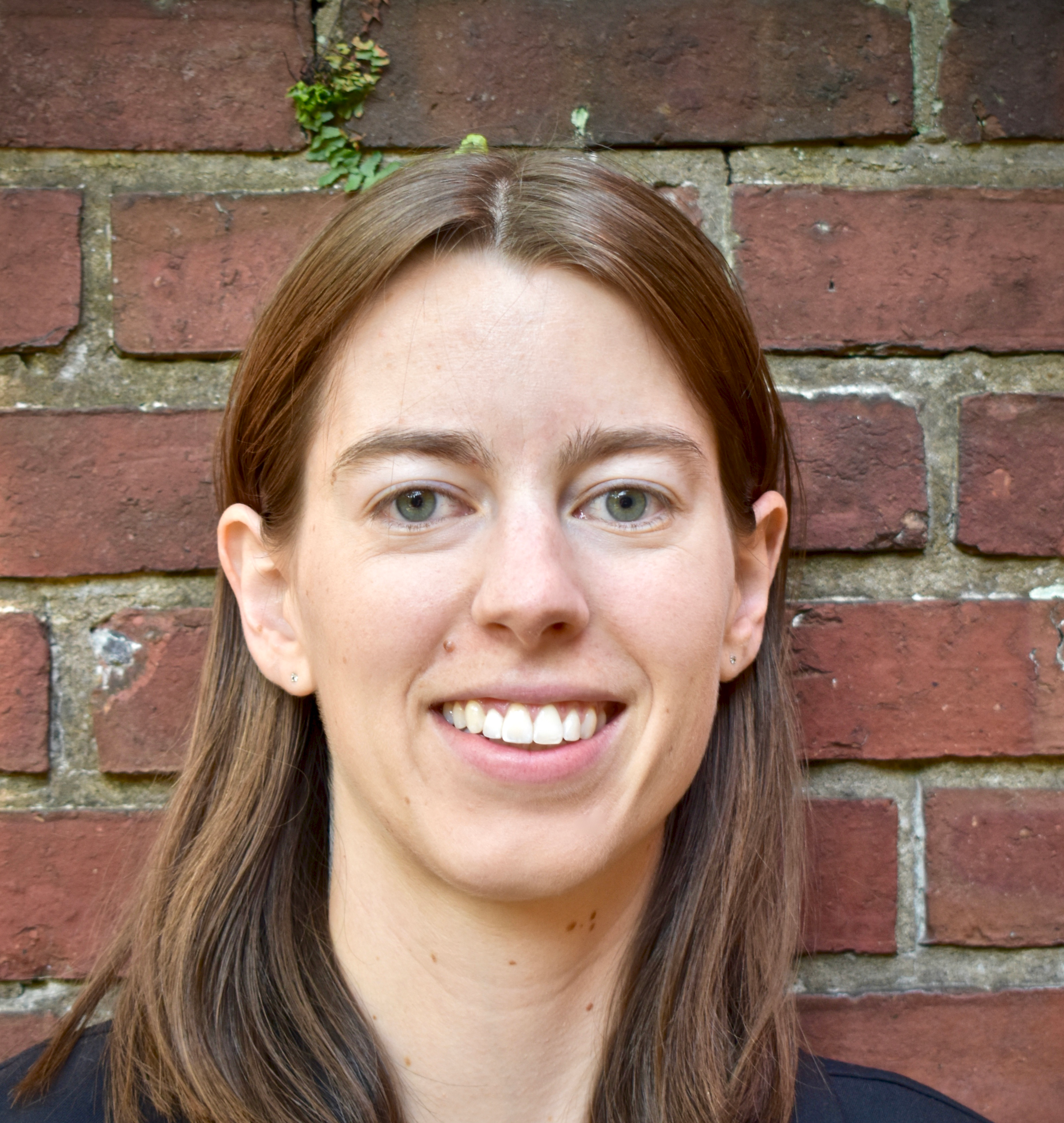 |
Julie Davis |
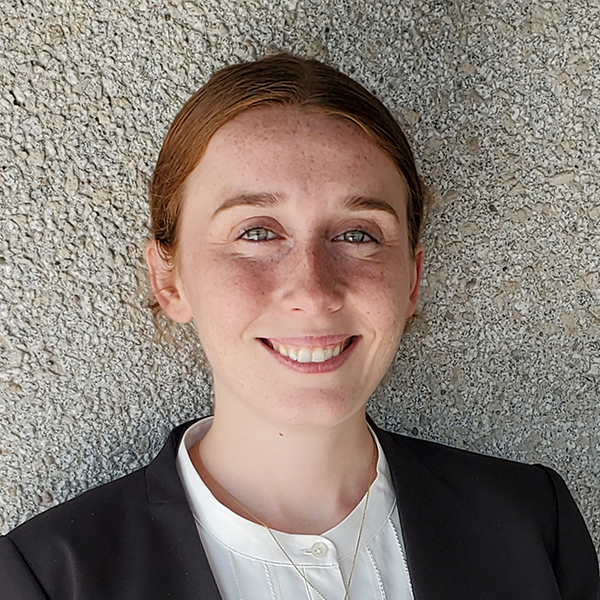 |
Kelsie Krafton |
 |
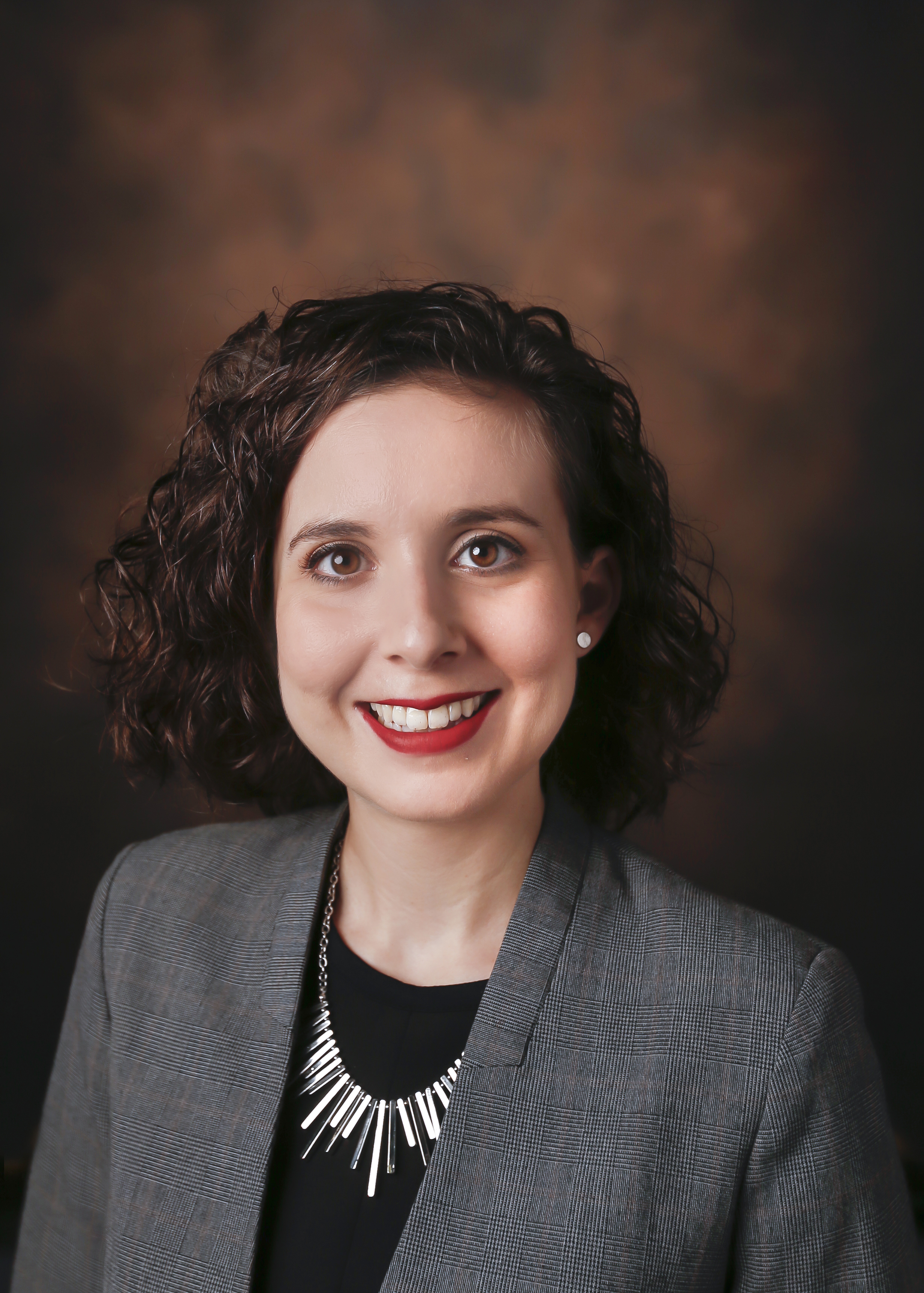
Ashlee Wilkins |
 |
Heather Bloemhard 2015-2017 Current Position: Assistant Director of Federal Relations, Vanderbilt University |
 |
Joshua H. Shiode 2013-2015 Current Position: Managing Director, Kavli Institute for Particle Astrophysics and Cosmology |
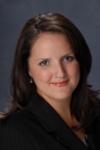 |
Bethany Johns 2010-2012 Current Position: Director of Federal Relations, California State University |
 |
Anita Krishnamurthi 2009-2010 Current Position: President, Collective for Youth Empowerment in STEM & Society (CYESS), Afterschool Alliance |
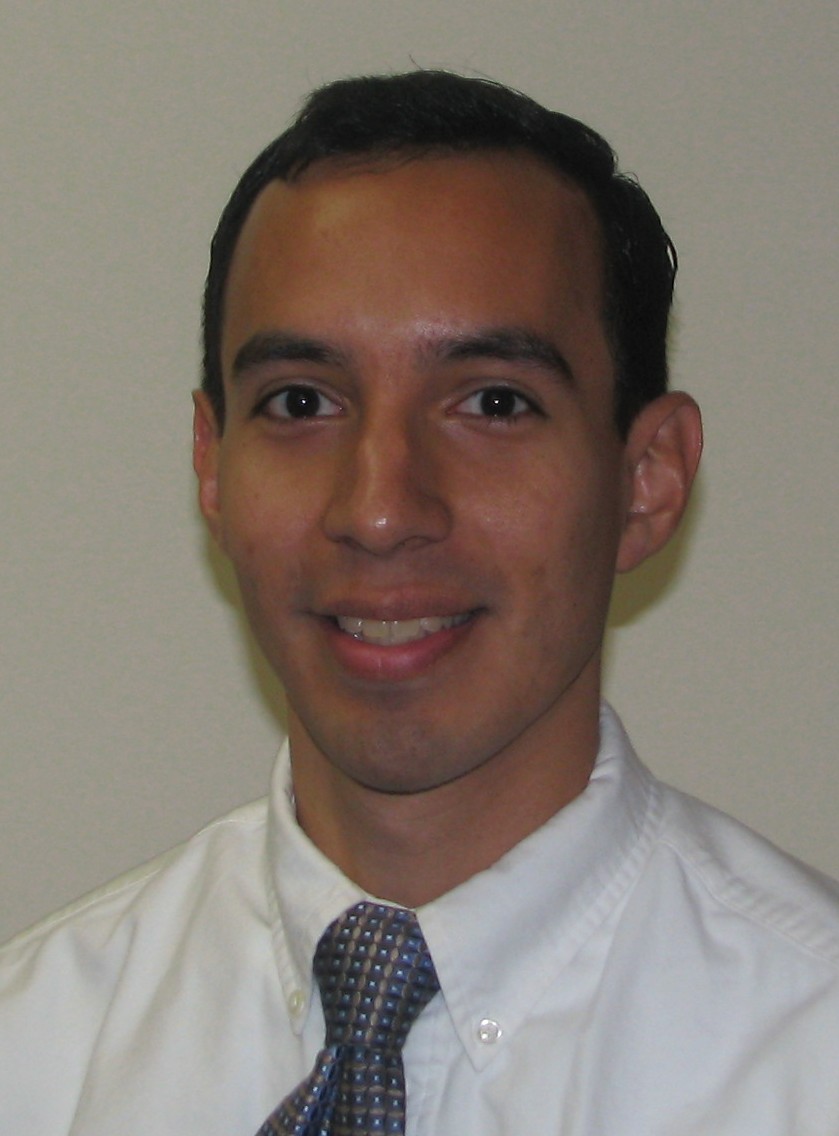 |
Marcos Huerta 2008-2009 Current Position: Manager of Data Science, CarMax |
 |
L. Jeremy Richardson 2007 Current Position: Manager, Carbon-Free Electricity Program, Rocky Mountain Institute |